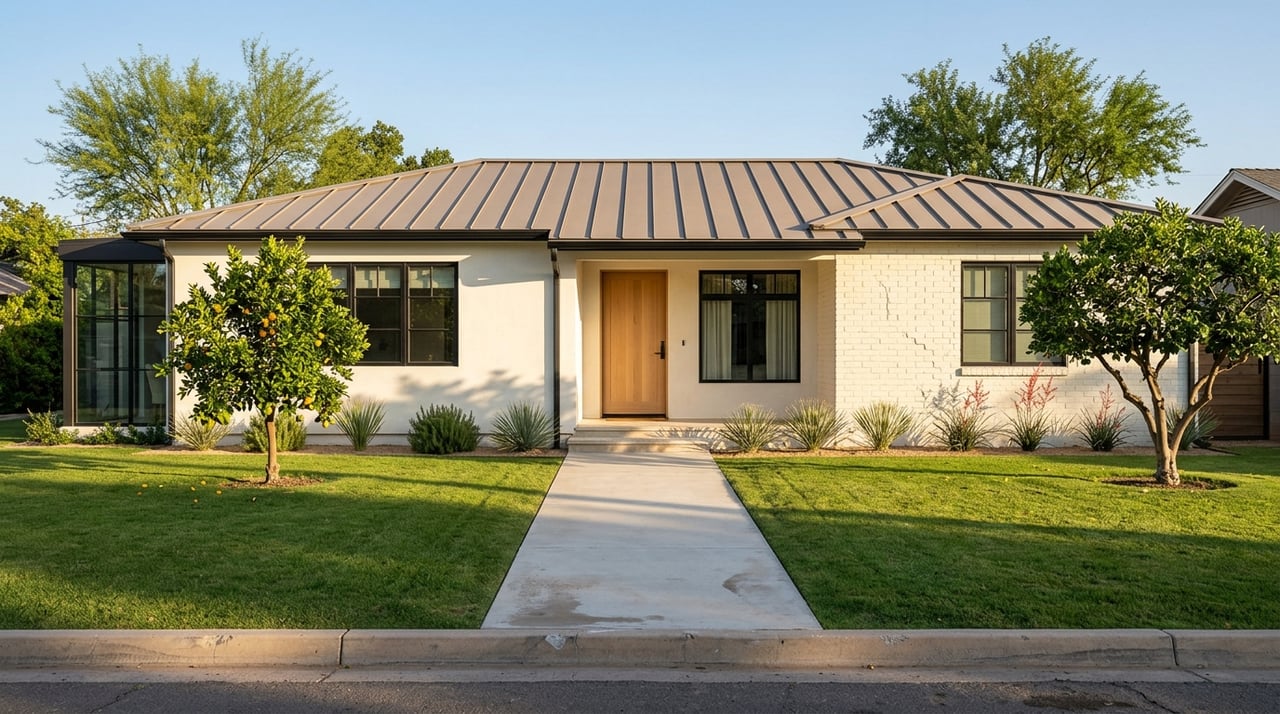
If you are looking for a Phoenix neighborhood that feels established, scenic, and connected without feeling overly urban, Arcadia often rises to the top. You may be drawn to its mature trees, mountain views, or the mix of older homes and updated properties, but it helps to understand what really shapes the area. This guide will show you how Arcadia’s history, housing, and lifestyle come together so you can decide whether it fits your goals. Let’s dive in.
Why Arcadia stands out
Arcadia is one of those neighborhoods that people tend to describe with a strong sense of place. Its historic core was mapped north of the Arizona Canal and south of Camelback Mountain, commonly between 44th Street and Scottsdale Road, though part of the original 1919 Arcadia plat extends into present-day Scottsdale east of Invergordon Road.
That geography helps explain why Arcadia is often talked about as both a Phoenix and Scottsdale-area lifestyle destination. It sits in a location that feels central to some of the Valley’s most recognized amenities, while still reading as a residential neighborhood first.
Visit Phoenix describes Arcadia as citrus-rooted, leafy, and historic. That quick description fits because the neighborhood blends long-standing character, local dining, and outdoor access in a way that feels distinct from many newer desert communities.
Arcadia’s citrus history
Arcadia began as an agriculture and irrigation story before it became one of Phoenix’s most recognizable neighborhoods. Citrus Homes was platted in 1915, and the original Arcadia plat followed in 1919.
Developers marketed large lots as small citrus orchards for affluent buyers who wanted a more rural setting. The Arcadia Water Company was also formed in 1919, and by 1924 it had laid 15 miles of underground concrete pipe to move irrigation water through the development.
That early infrastructure still matters when you look at the neighborhood today. Arcadia’s greener streetscape and mature landscaping are closely tied to its irrigation legacy and orchard roots.
Why Arcadia looks so varied
One of the most important things to know about Arcadia is that it is not a uniform subdivision. The original lot pattern included five- to ten-acre parcels and minimum construction costs intended to attract wealthier homeowners.
Over time, Arcadia expanded through later replats in the 1920s and early 1930s, including Arcadia Estates, Arcadia Replat, Glencoe Highlands, Alta Hacienda, and Hacienda Allenada. In practical terms, that means the neighborhood developed in layers rather than all at once.
For you as a buyer or seller, that layered history can translate into meaningful differences from one pocket to the next. Lot sizes, home styles, and the balance between original construction and newer reinvestment can vary more than the Arcadia name alone might suggest.
Arcadia home styles
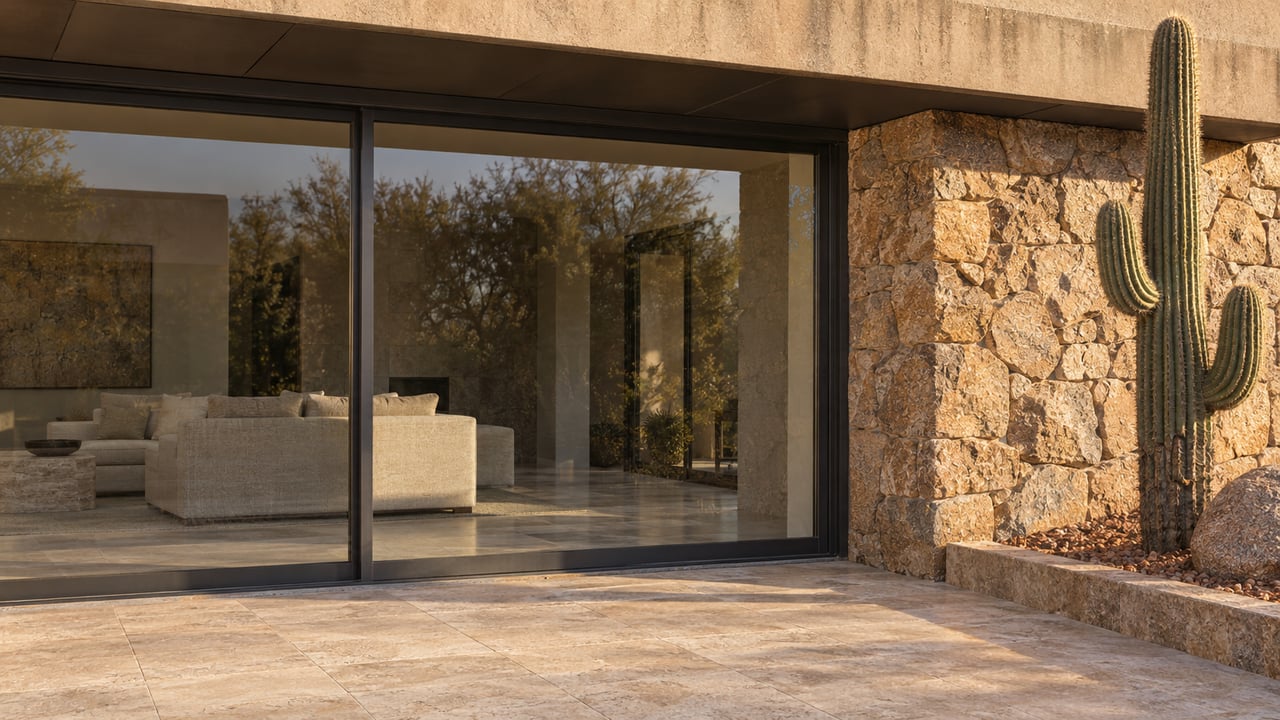
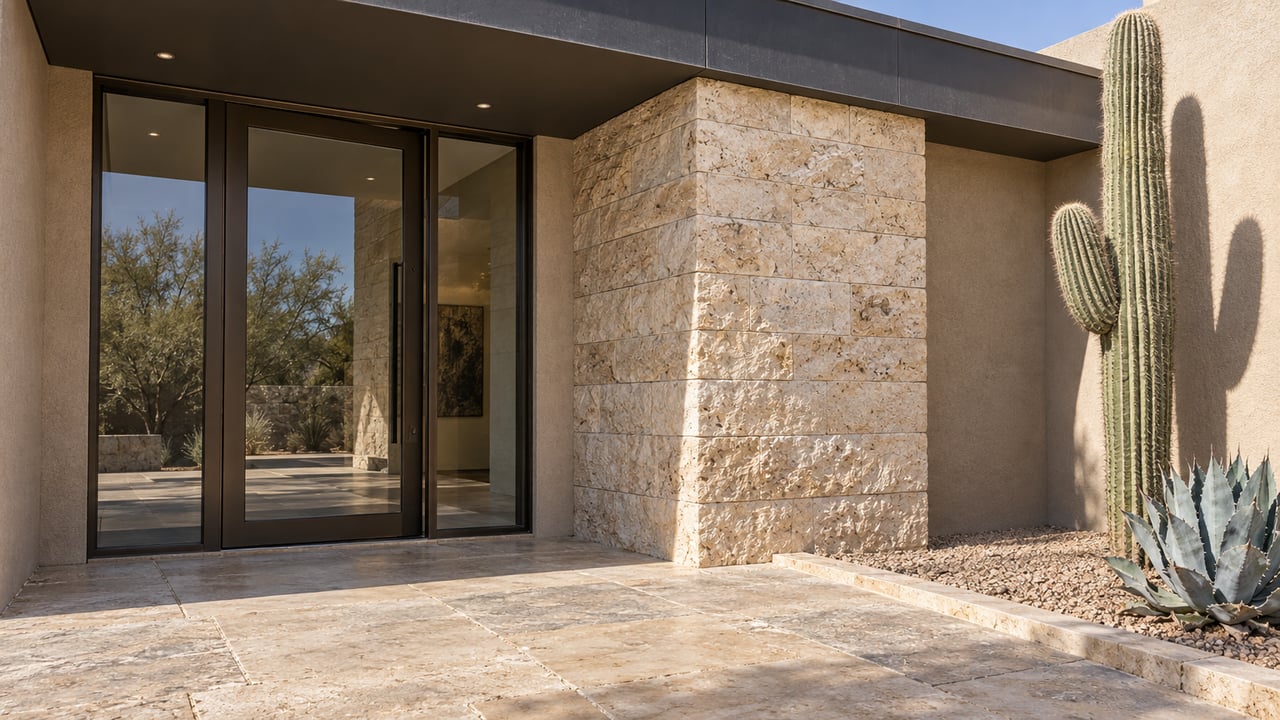
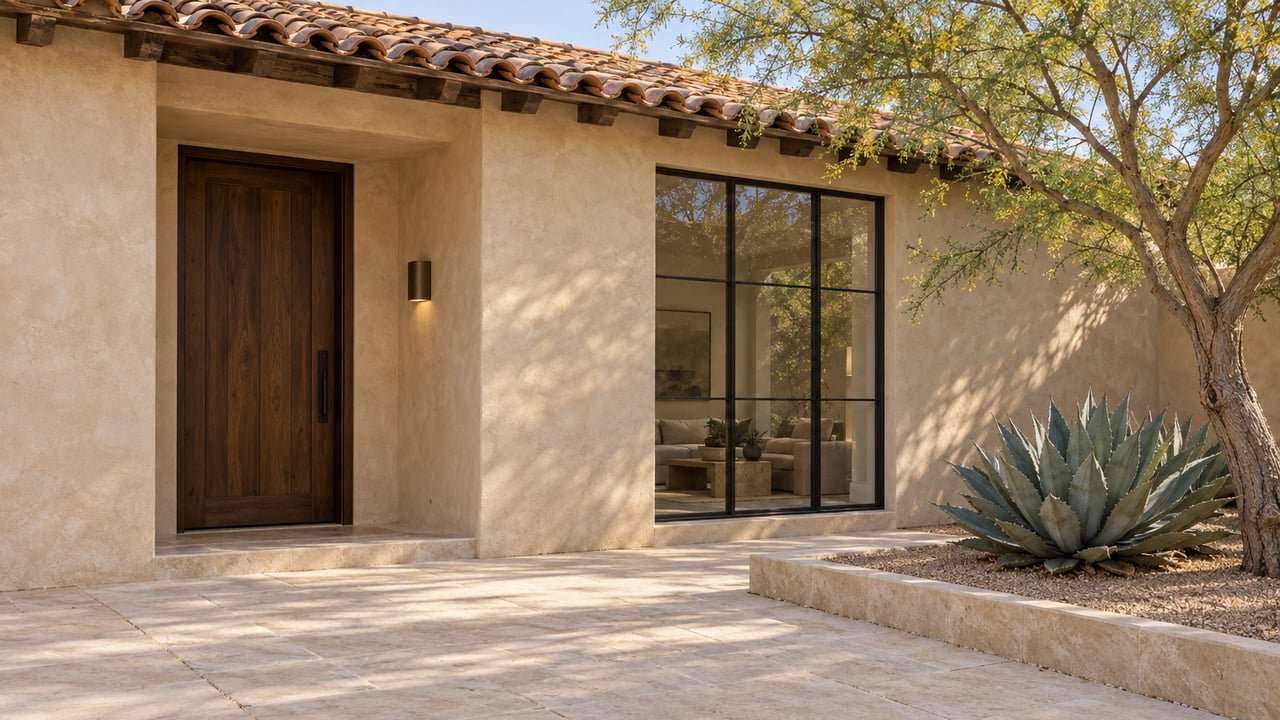
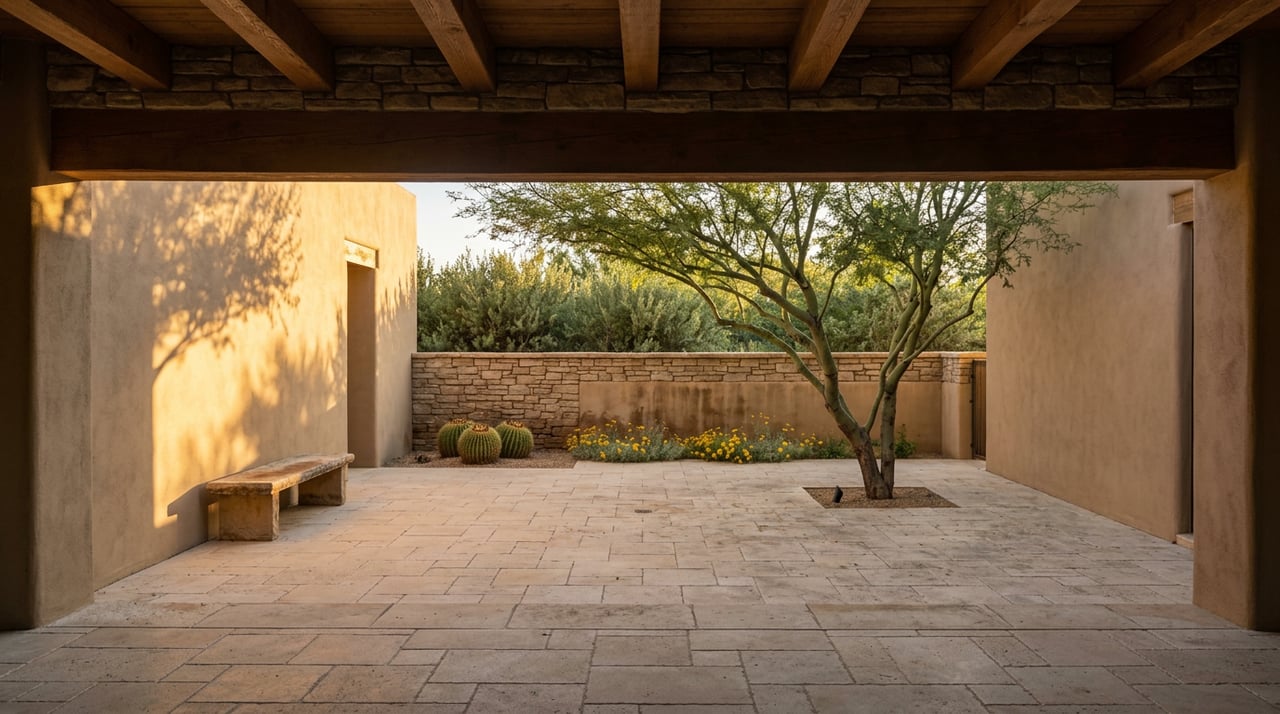
Arcadia’s housing mix is a big part of its appeal. The City of Phoenix historic survey identifies early- and mid-20th-century styles including Pueblo Revival, Monterey Revival, and Spanish Colonial Revival homes, along with larger rural-estate residences.
The area is also known for mid-century ranch homes. That creates a neighborhood where historic architecture, remodeled properties, and newer rebuilds often exist side by side.
If you value visual variety and character, Arcadia offers more architectural range than many planned neighborhoods. You may find preserved originals, expanded homes, or newer construction that reflects changing tastes while still fitting into an established setting.
Modern living in Arcadia
Arcadia is not frozen in time, and that is part of what keeps it relevant. Phoenix’s Neighborhoods and Livability Strategic Plan supports compatible new development, adaptive reuse, and neighborhood infill as part of improving city neighborhoods.
In Arcadia, that broader planning approach helps explain why you see a blend of preservation and evolution. Some properties retain historic details, while others have been remodeled or rebuilt to support more contemporary living.
For many buyers, that means Arcadia can offer both charm and flexibility. You may be able to find a home with architectural history, a more updated floor plan, or a property with room for a modern interpretation of the neighborhood’s original estate feel.
The role of irrigation and greenery
Arcadia’s leafy reputation is not accidental. SRP describes flood irrigation as a cost-effective way to deep-water lawns, with residential subdivision deliveries generally about every 14 days in summer and about every 28 days in winter.
Combined with the neighborhood’s orchard history, that irrigation system helps explain why Arcadia often feels greener and more established than a typical desert subdivision. Mature trees, broad lawns in some areas, and a fuller canopy are part of the visual identity many people notice right away.
If you are relocating from out of state, this is one of the details that can make Arcadia feel surprisingly lush for Phoenix. It is a practical feature with a strong effect on day-to-day atmosphere.
Outdoor lifestyle near Arcadia
Outdoor access is a major part of daily life in and around Arcadia. SRP says canal trails are free to use and support walking, running, biking, fishing, and public art, giving residents flexible options for casual recreation close to home.
Arizona Falls on the Arizona Canal adds another local point of interest. SRP notes that it has served as a gathering place since the 1800s and now combines art, history, and hydroelectric power.
Camelback Mountain also shapes the area’s identity. The City of Phoenix says it is one of the nation’s top hiking destinations, with main trails rated extremely difficult and summit views as a major draw.
For a simpler neighborhood option, Arcadia Park includes shade structures, picnic space, a playground, and a volleyball court. Together, these nearby amenities help Arcadia feel active and well-rounded without requiring a downtown setting.
Arcadia dining and daily convenience
Lifestyle in Arcadia is not just about homes and scenery. The neighborhood’s dining mix is also part of its appeal, especially if you want everyday convenience with a local feel.
Visit Phoenix highlights options ranging from casual to more polished spots, including O.H.S.O. Brewery and Distillery, Postino Arcadia, Beckett’s Table, Chelsea’s Kitchen, and Buck and Rider. That range helps support the idea that Arcadia feels social and convenient without functioning like a dense urban entertainment district.
For many buyers, this balance matters. You can enjoy nearby dining and gathering spots while still living in an area that feels residential and established.
Arcadia compared with Scottsdale
Arcadia is often compared with Scottsdale because of its location and overlapping lifestyle appeal. Scottsdale’s official overview describes a broader city context that includes Old Town Scottsdale as an urban center with more than 90 restaurants, 320 retail shops, and more than 80 art galleries.
That gives Scottsdale a stronger retail, arts, and mixed-use identity in its core areas. Arcadia, by comparison, tends to feel smaller in scale, more residential, and more locally oriented.
If you are choosing between the two, the difference may come down to rhythm. Arcadia offers neighborhood character and access, while Scottsdale, especially around Old Town, brings more concentrated urban activity.
Arcadia compared with Paradise Valley
Arcadia also gets compared with Paradise Valley, especially for buyers considering mountain-area living and larger homesites. Paradise Valley’s official planning documents describe a primarily one-acre residential community focused on natural open space and a quiet, country-like setting.
That creates a more secluded and estate-oriented feel. Arcadia, on the other hand, is more integrated into Phoenix’s street grid and tends to offer more everyday access to dining and canal-based recreation.
If Paradise Valley feels more private and low-density, Arcadia often feels more connected and amenity-dense. Both can appeal to lifestyle-driven buyers, but the daily experience is different.
Who Arcadia may suit best
Arcadia can be a strong fit if you want an established Phoenix neighborhood with history, greenery, and a more layered housing stock. It may also appeal to you if you value proximity to Camelback Mountain, canal trails, and a local dining scene that supports daily convenience.
For some buyers, the biggest draw is the balance. Arcadia sits between Scottsdale’s more urban energy and Paradise Valley’s more secluded estate setting, which gives it a distinctive middle ground.
That mix of citrus-grove history, irrigation-fed landscaping, mountain views, recreation, and reinvestment is what makes Arcadia stand out. It is a neighborhood where historic charm and modern living genuinely meet.
If you are thinking about buying, selling, renting, or exploring neighborhood options in Arcadia or the surrounding Phoenix and Scottsdale areas, Arizona Luxury Real Estate offers local guidance tailored to your goals.
FAQs
Where is Arcadia in Phoenix?
- Arcadia’s historic core was mapped north of the Arizona Canal and south of Camelback Mountain, commonly between 44th Street and Scottsdale Road, with part of the original 1919 plat extending into present-day Scottsdale east of Invergordon Road.
What is Arcadia known for in Phoenix?
- Arcadia is known for its citrus-grove history, irrigation-fed greenery, mature trees, varied architecture, nearby canal recreation, and access to Camelback Mountain and local dining.
What types of homes are in Arcadia?
- Arcadia includes Pueblo Revival, Monterey Revival, Spanish Colonial Revival, rural-estate residences, mid-century ranch homes, remodeled properties, and newer rebuilds.
Why does Arcadia look greener than other Phoenix neighborhoods?
- Arcadia’s greener feel is tied to its irrigation legacy and orchard history, with SRP noting regular residential flood irrigation deliveries that help deep-water lawns.
How does Arcadia compare with Scottsdale?
- Arcadia generally feels more residential and locally scaled, while Scottsdale, especially around Old Town, has a stronger urban, retail, and arts-focused identity.
How does Arcadia compare with Paradise Valley?
- Arcadia is more connected to Phoenix’s street grid and everyday amenities, while Paradise Valley is more secluded, lower-density, and estate-oriented.