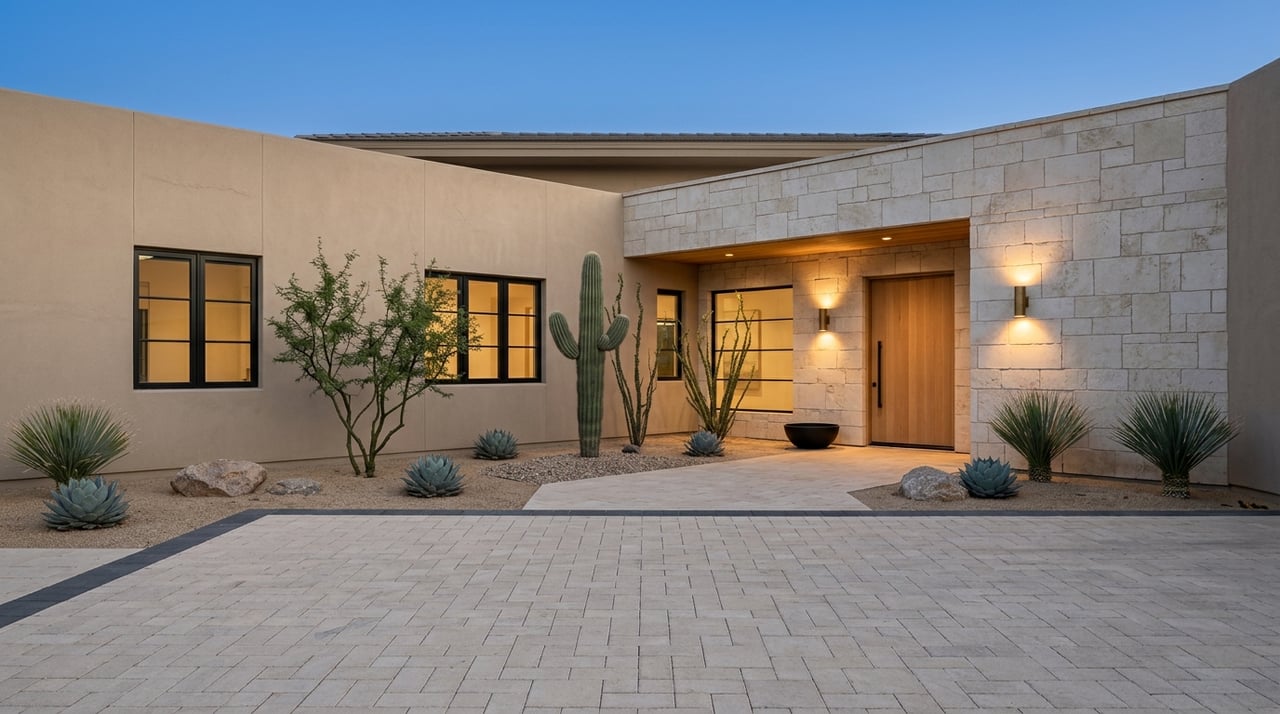
If you are looking at Paradise Valley, you are probably thinking about more than square footage. You may want privacy, mountain views, and a daily lifestyle that feels polished without feeling busy. In Paradise Valley, luxury living often continues far beyond your property line, and that is exactly what makes the town stand out. Let’s take a closer look.
Why Paradise Valley Feels Different
Paradise Valley offers a residential setting shaped by space and low density. The town was incorporated in 1961, covers 15.4 square miles, and had a 2020 Census population of 12,658, with the town estimating 12,774 residents in 2025.
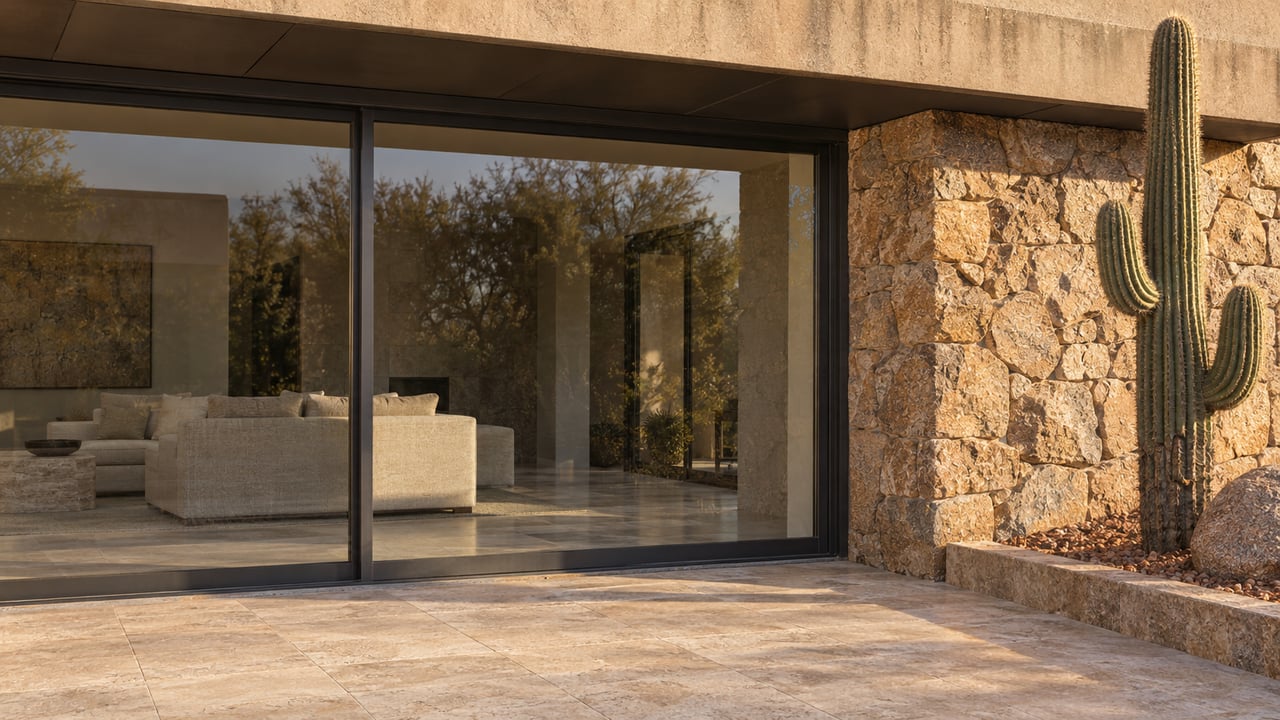
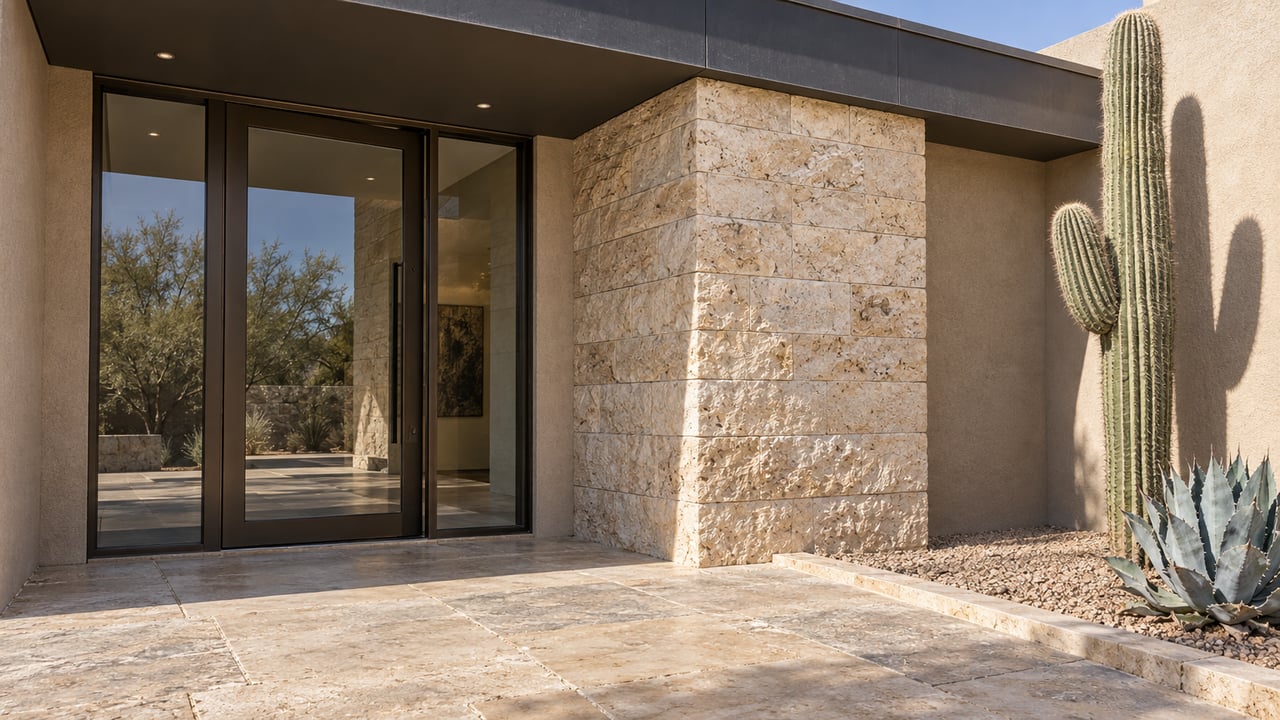
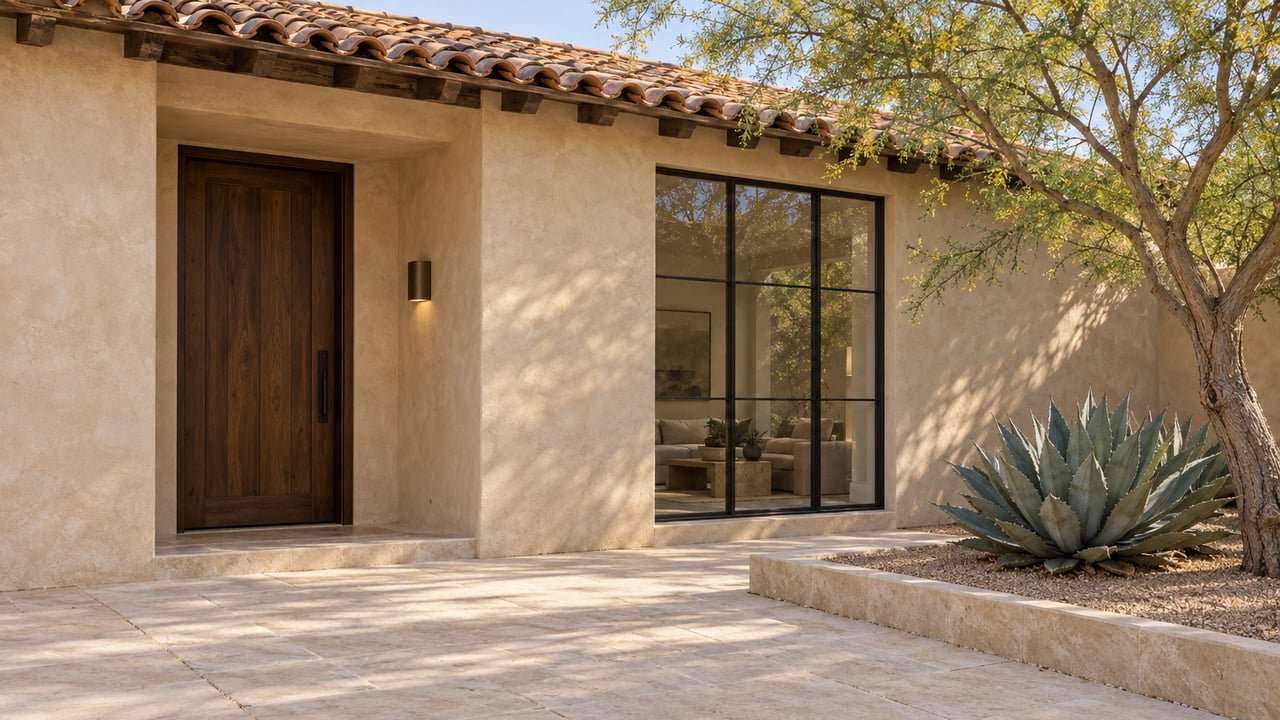
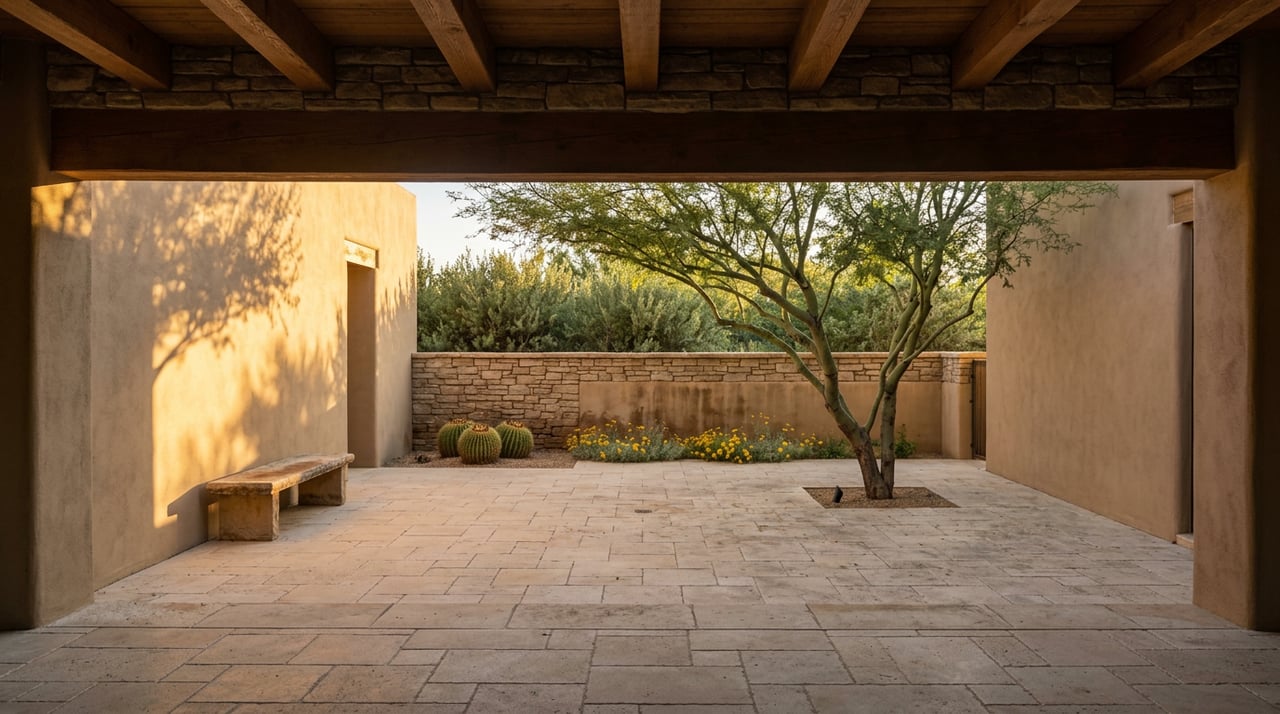
That scale matters when you are comparing locations in the Valley. According to the town, Paradise Valley is predominantly zoned for single-family housing, and most of it is zoned R-43, which means minimum one-acre lots. In practical terms, that land pattern helps create the quiet, private feel many buyers are looking for.
The town also notes that non-residential uses are limited to special-use districts. These can include resorts, private schools, medical clinics, religious facilities, and golf courses. That means the area keeps a residential identity while still offering lifestyle amenities close to home.
Luxury Living Beyond Home
In many markets, luxury is mostly about the house itself. In Paradise Valley, the experience often includes how you spend your mornings, afternoons, and evenings once you step outside your front door.
This is one of the town’s biggest lifestyle advantages for relocation buyers, second-home owners, and anyone who wants everyday convenience with a resort feel. Instead of relying on a dense retail corridor, Paradise Valley’s social rhythm is often tied to resorts, dining destinations, club settings, and outdoor access.
Resort Access as Daily Life
Paradise Valley is home to 9 resorts and 3 golf courses, according to the town’s basic facts. That matters because in this market, resort amenities are not just for visitors. They can become part of your regular routine.
A strong example is Omni Scottsdale Resort & Spa at Montelucia. Its Spa & Fitness Membership includes access to main pools and resort venues, discounts on room rates, cabana rentals, spa and salon services, food and beverage, retail, a 24-hour fitness center, fitness classes, and Joya Spa amenities such as saunas, steam rooms, whirlpools, a cold deluge, and a terrace-top pool.
The membership also includes a birthday massage or facial and a dinner-for-two perk at Prado. For a buyer comparing lifestyles, that kind of access can make the line between home life and resort life feel much more seamless.
Sanctuary Camelback Mountain adds another version of that experience. The resort describes 53 acres of mountainside desert with casitas, a full-service spa and salon, fitness and movement studios, daily wellness classes, tennis and pickleball courts, pools, cabana service, and local house car service.
Mountain Shadows also supports this broader lifestyle picture through golf and club activity. Its materials reference The Short Course, The Citizens Club, and resort events, showing how leisure and social activity can be woven into everyday living nearby.
Dining That Shapes the Social Scene
Paradise Valley does not revolve around a traditional commercial strip. Instead, the dining scene is closely tied to resorts, historic properties, and destination restaurants.
The town’s restaurant page includes Lincoln Steakhouse and Rita’s Kitchen at Camelback Inn, Prado and Crave Cafe at Montelucia, Asadero Cocina and Cantina at DoubleTree Paradise Valley Resort, Lon’s at Hermosa Inn, elements at Sanctuary Camelback Mountain, El Chorro, Weft and Warp Art Bar + Kitchen at Andaz, and Hearth ’61 and Rusty’s at Mountain Shadows.
That mix gives the area a more curated feel. If you enjoy meeting friends for dinner, planning a weekend brunch, or choosing settings that feel elevated without driving across the metro area, Paradise Valley offers that kind of convenience in a very local way.
El Chorro is one notable example within town limits. Located at 5550 E. Lincoln Drive, it is described as an inspired dining and venue experience with brunch and dinner service. Places like this help define the area’s social pace.
Outdoor Access Is Part of the Appeal
For many buyers, luxury in Arizona is not complete without direct access to the desert landscape. Paradise Valley benefits from that in a major way.
Camelback Mountain is one of the best-known outdoor destinations in the region. The City of Phoenix says Echo Canyon Trailhead is located at 4925 E. McDonald Drive, and the summit route is 1.14 miles with 1,400 feet of elevation gain. The trail is rated extremely difficult, which is important to know if you are planning active weekends close to home.
If you want broader trail variety, the McDowell Sonoran Preserve in nearby Scottsdale offers a permanently protected desert habitat with an interconnected network of non-motorized, multi-use trails. These trails are open from sunrise to sunset and are free of charge.
Paradise Valley’s preservation ethic also adds to the experience. The Mountain Preserve Trust works to protect land on and around Mummy Mountain, Camelback Mountain, and the Phoenix Mountain Preserve. That helps support the scenic, open feel that buyers often notice right away.
Culture and Entertainment Nearby
Paradise Valley’s appeal is not only about privacy and scenery. It also places you close to arts and cultural destinations that can round out daily life or weekend plans.
The Scottsdale Civic Center campus brings together art, performance, architecture, and public space in one walkable destination. Scottsdale Center for the Performing Arts presents more than 300 events each year, including dance, jazz, classical music, global performances, and comedy.
The same campus includes SMoCA, which Scottsdale Arts describes as Arizona’s only museum devoted exclusively to contemporary art, architecture, and design. For buyers who value access to cultural programming, that nearby resource adds another layer to the Paradise Valley lifestyle.
Taliesin West is also nearby in Scottsdale. It is both a World Heritage site and a National Historic Landmark, with tours open to the public. That gives residents another easy option for design, history, and architecture-focused outings.
What This Means for Buyers
If you are relocating or searching for a second home, Paradise Valley offers a lifestyle that is easier to picture once you look beyond the walls of a single property. The value is not just in the lot size or the view corridor. It is also in the ecosystem around you.
You may be choosing a home where one morning starts with a spa workout, another begins with a mountain trail, and an evening ends at a resort dining room a few minutes away. That combination of low-density residential planning, preserved scenery, and nearby amenities is a big part of why Paradise Valley remains so distinct.
It can also help you narrow your search. Some buyers want immediate trail access. Others care most about proximity to resort dining, wellness amenities, or golf-oriented social settings. When you understand how you want to live day to day, it becomes easier to identify which property and which part of Paradise Valley fit you best.
Why Local Guidance Matters
In a market like Paradise Valley, lifestyle fit is not a small detail. It is often central to the decision.
That is why neighborhood guidance matters as much as property research. A home may look right on paper, but the better question is how it connects to the routines and experiences you want most, whether that means privacy, dining access, outdoor recreation, or a lock-and-leave second-home rhythm.
Working with a local brokerage that understands Paradise Valley and the surrounding luxury markets can help you weigh those details with more confidence. If you are exploring homes, luxury rentals, or seller-financing opportunities in the area, a tailored strategy can help you move with clarity.
If you are thinking about your next move in Paradise Valley or the surrounding Valley, Arizona Luxury Real Estate can help you evaluate lifestyle fit, location context, and the right path forward.
FAQs
What makes Paradise Valley different from other luxury markets in the Phoenix area?
- Paradise Valley stands out for its low-density residential zoning, minimum one-acre lots across much of the town, protected mountain scenery, resort access, dining destinations, and close access to trails and cultural venues.
How does zoning affect the feel of Paradise Valley?
- Much of Paradise Valley is zoned R-43, which means minimum one-acre lots, and non-residential uses are limited to special-use districts, helping preserve a private, residential atmosphere.
What resort-style amenities are available near Paradise Valley homes?
- Paradise Valley is home to multiple resorts, and examples of nearby amenities include spa access, pools, fitness centers, wellness classes, tennis, pickleball, golf-related activities, dining perks, and social events through select memberships and resort programs.
What is the dining scene like in Paradise Valley?
- The dining scene is centered around resort restaurants, historic dining rooms, and destination venues rather than a conventional commercial strip, giving the area a more curated social feel.
Are there hiking and outdoor recreation options near Paradise Valley?
- Yes. Nearby options include Camelback Mountain, where Echo Canyon Trail is rated extremely difficult, and the McDowell Sonoran Preserve, which offers a network of free, non-motorized trails open sunrise to sunset.
What cultural attractions are near Paradise Valley?
- Nearby cultural destinations include the Scottsdale Civic Center campus, Scottsdale Center for the Performing Arts, SMoCA, and Taliesin West in Scottsdale.
Is Paradise Valley a good fit for second-home or relocation buyers?
- Paradise Valley can appeal to second-home and relocation buyers who want privacy, scenic surroundings, and convenient access to resort amenities, dining, recreation, and cultural destinations as part of everyday life.